نيوتريشن و دايتەتیکس
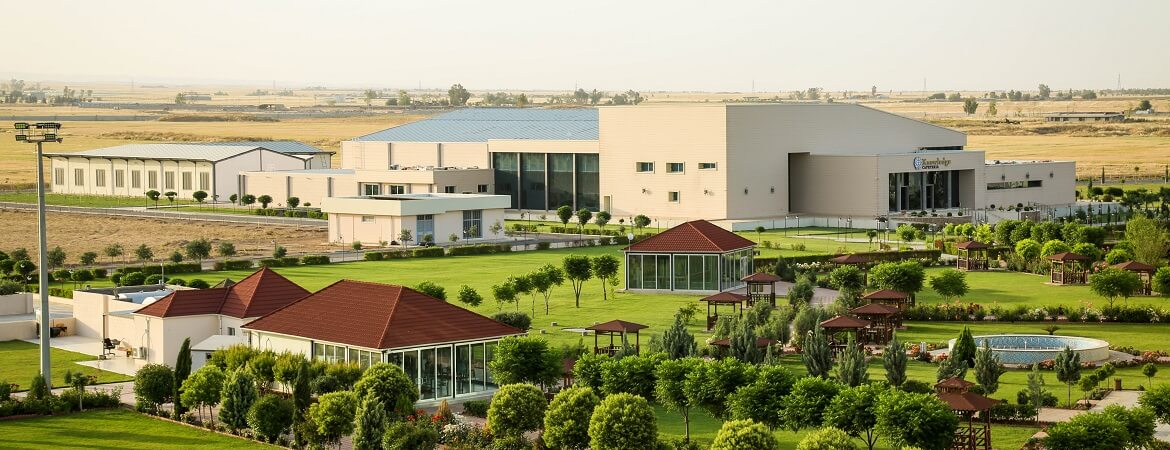
Institution: Knowledge University
College: College of Technology
Department: Department of Nutrition and Dietetics (کوردی: بهشی خۆراك و ڕێجیم | العربية: قسم التغذية والحمية الغذائية)
Degree Level & Duration: Bachelor of Science (Honors Bachelor Degree in Nutrition)
Duration: 4 Years / 8 Semesters
Credit System: 240 ECTS credits (including a mandatory 4-week summer internship)
Program Summary: The program is designed to train students in the scientific principles of nutrition to promote health, prevent disease, and manage medical conditions through dietary interventions. It incorporates a comprehensive curriculum covering human nutrition, biochemistry, anatomy, food science, food safety, clinical practice, and medical nutrition therapy.
The department aims to be a leading department in education and scientific research, contributing effectively to food security and sustainable development by improving food quality and safety, with a focus on innovation and the use of modern technologies.
The mission of the Bachelor in Nutrition program is to prepare graduates for food and nutrition careers by providing them with the ability to integrate didactic and practical education in order to improve the health and well-being of individuals and groups, while upholding the tradition of liberal arts education.
Graduates are trained to work in diverse settings, including healthcare facilities, community organizations, food service sectors, research institutions, and private practice.
Typical Duties and Professional Roles:
- Clinical dietitian in hospitals or clinics.
- Providing science-based nutrition advice and promoting healthy eating for individuals and groups.
- Developing guidance on nutrition for dissemination to a wider audience.
- Offering specialized nutrition advice to specific target groups or organizations providing food services.
- Carrying out research and publishing scientific reports.
- Working in multidisciplinary teams to support other healthcare professionals.
- Advising on food marketing practices.
- Developing public policy around nutrition and public health.
- Public health nutritionists in government or non-governmental organizations.
پڕۆگرامی خوێندن هێشتا بڵاو نەکراوەتەوە.
The core objectives and intended learning outcomes of the program enable graduates to:
Entry-Level Professional Competence: Gain comprehensive didactic education and supervised clinical practice to enter professional practice with high competency.
Inter-Professional Collaboration: Engage seamlessly within multidisciplinary health teams to promote human well-being and patient care.
Evidence-Based Practice & Lifelong Learning: Apply evidence-based nutrition science, modern technologies, and recent research advancements into clinical and community practice.
Nutritional Assessment & Diet Planning: Master skills in dietary assessment, meal planning, sports nutrition, and medical nutrition therapy for various life stages and disease conditions.
Food Safety, Quality & Science: Understand food chemistry, microbiology, processing, and food safety standards to contribute to food quality control and safety.
Research Methodology: Develop foundational skills in biostatistics, epidemiology, and research methodology to execute graduation projects and conduct scientific research.
پەیوەندیمان پێوە بکە
تۆمار: +964 750 3000 600تۆمار: +964 750 3000 700
سەرۆکایەتی: +964 750 3000 800